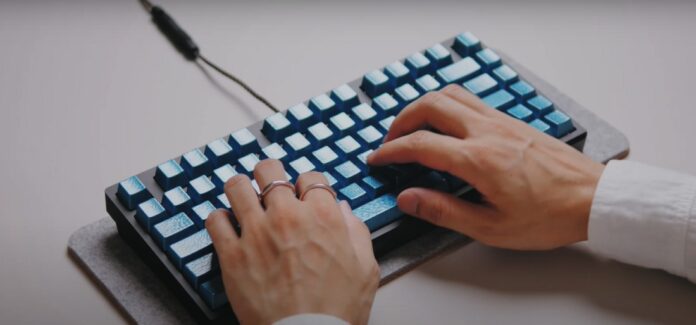
Typing is one of the most repetitive digital activities people perform during a workday. The brain focuses on ideas while the hands translate those ideas into text. Any friction between thought and typing interrupts that process.
A study from the University of Cambridge found that the average office worker spends over 40 percent of their day typing or editing text. Emails, reports, notes, messages, research summaries, and assignments all depend on typing speed and accuracy.
Small inefficiencies add up quickly. A keyboard that feels awkward or software that constantly interrupts your flow can quietly drain productivity.
Personalizing your typing experience for work and study helps remove those small barriers. A few thoughtful adjustments can make typing faster, smoother, and more comfortable during long sessions.
With the right tools, layout adjustments, and predictive typing features, your keyboard becomes a reliable workspace that adapts to how you think and communicate.
Personalised Typing Setup
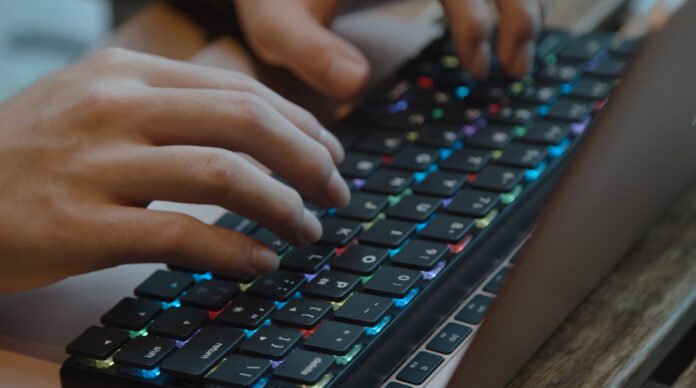
Instead of correcting constant errors or searching for symbols, the personalised keyboard works naturally with your habits.
Several factors influence typing comfort and efficiency:
- Input method software affects prediction accuracy and language support.
- Keyboard layout and shortcuts influence speed during repetitive tasks.
- Visual settings impact focus and readability during long writing sessions.
- Predictive typing tools reduce manual corrections and repetitive phrases.
Many people overlook these details until a heavy workload exposes the limitations of a default setup. Once personalization begins, improvements often appear immediately in typing rhythm and concentration.
Choosing the Right Input Method for Faster Typing
Input method software acts as the bridge between what you type and what appears on the screen. Modern input engines rely on machine learning to anticipate words, phrases, and even writing style patterns.
You can try 搜狗输入法下载. Many people choose it because the typing experience feels fluid and responsive. Typing moves quickly and smoothly, almost like writing with a pen. The AI engine predicts words with impressive accuracy and adapts to personal language habits over time.
Typing becomes more efficient for several reasons.
- Smart prediction reduces repetitive corrections.
- Phrase suggestions adapt to common expressions.
- Multilingual support improves productivity for bilingual users.
The overall result feels natural rather than mechanical. Writing emails, research notes, or longer reports becomes easier because the input method anticipates intent instead of reacting to errors.
Input software plays a larger role in productivity than many people expect. Choosing one that aligns with your workflow often produces noticeable improvements within a few days.
Customizing Keyboard Layouts and Shortcuts
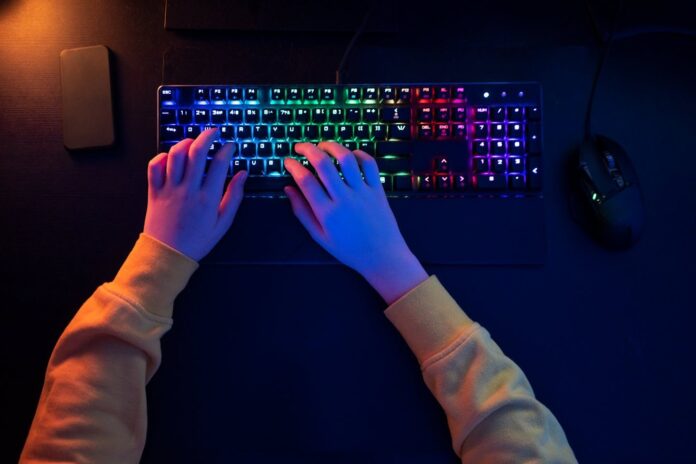
Keyboard layouts shape how quickly ideas move from mind to screen. Default settings work for most users, yet they rarely match the exact patterns of someone who types every day for work or study.
A personalized layout focuses on efficiency and muscle memory. Rearranging frequently used shortcuts or enabling alternative layouts can dramatically reduce hand movement.
Before making adjustments, it helps to identify repetitive tasks during writing sessions. Common examples include formatting text, inserting symbols, or navigating between documents.
The following adjustments often improve typing efficiency.
- Assign keyboard shortcuts for common phrases or signatures.
- Enable text expansion tools for repeated technical terms.
- Adjust language switching shortcuts for bilingual writing.
- Remap unused keys to useful functions like search or translation.
Small changes gradually reshape typing habits. Over time, shortcuts replace repetitive actions. Many professionals report saving minutes every hour simply by reducing mouse movement and menu navigation.
Visual and Ergonomic Adjustments That Improve Focus
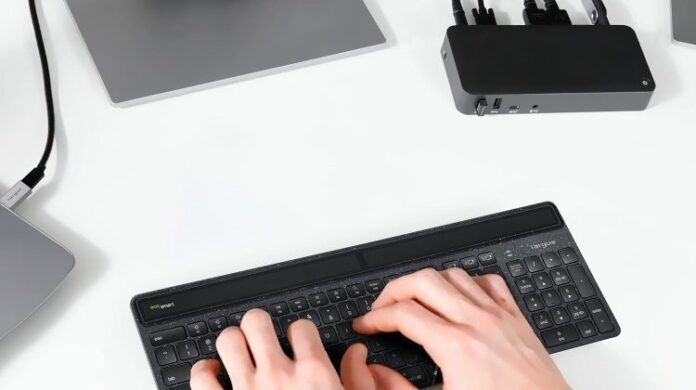
Typing efficiency depends not only on speed but also on comfort. Eye strain, poor lighting, and awkward keyboard positioning often cause fatigue long before the workday ends.
Visual and ergonomic adjustments help maintain concentration during longer writing sessions. The right setup supports both posture and readability.
The table below highlights common adjustments and their benefits.
| Adjustment | Benefit |
|---|---|
| Adjustable keyboard angle | Reduces wrist strain |
| Dark mode or soft contrast themes | Minimizes eye fatigue |
| Larger font size in writing apps | Improves readability during long sessions |
| Wrist support pads | Maintains neutral hand posture |
After applying ergonomic improvements, many users notice longer focus periods and fewer breaks caused by discomfort. Even simple changes such as raising the keyboard slightly or switching to a softer screen contrast can improve daily productivity.
Physical comfort often receives less attention than software tools. In practice, both factors work together to shape the typing experience.
Using Predictive Tools and Smart Typing Features
Modern typing systems include intelligent features designed to assist the writer. Predictive typing, auto correction learning, and contextual suggestions reduce interruptions during writing.
When configured correctly, these tools support natural language flow instead of interrupting it.
Predictive typing systems analyze previous typing patterns and language structure to suggest likely words before the user completes them. Over time the system adapts to personal vocabulary and writing style.
Smart typing tools typically offer several helpful functions.
- Phrase prediction for faster sentence completion
- Personalized dictionaries that learn new terminology
- Automatic grammar suggestions during editing
- Cloud syncing for consistent typing behavior across devices
Writers working on research projects or professional documentation benefit greatly from personalized vocabulary. Technical terms appear automatically after only a few uses. Instead of repeating the same corrections, the system remembers them.
Smart typing becomes especially valuable when switching between academic writing, professional communication, and casual messaging throughout the day.
Building a Typing Workflow for Work and Study
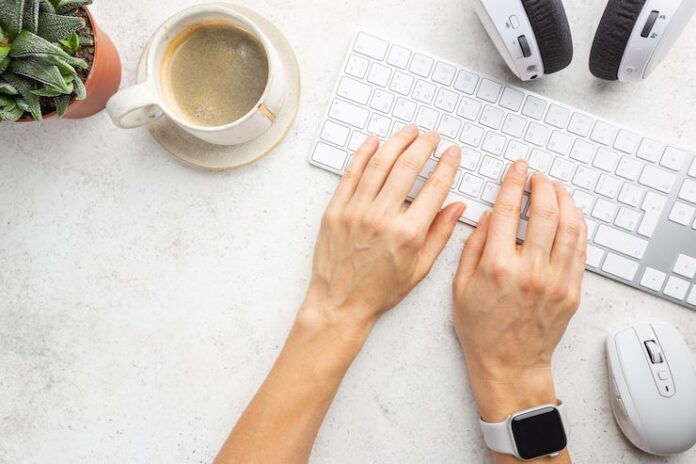
Personalizing typing tools works best when combined with a clear workflow. Typing habits differ depending on the task. Writing lecture notes requires speed. Writing reports requires precision. Messaging requires quick responsiveness.
Creating a consistent workflow ensures typing tools support each activity effectively.
Did you know
Researchers studying productivity patterns found that structured typing routines improve writing efficiency by nearly 20 percent during long writing sessions. Consistency helps the brain enter a focused writing state faster.
A practical workflow often includes the following stages.
- Quick drafting using predictive typing tools
- Editing with grammar and formatting shortcuts
- Final proofreading using distraction free writing mode
Separating these stages prevents constant editing while drafting. Writers focus on ideas first and refine structure afterward. Typing tools then assist at each stage rather than interrupting creative flow.
Over time, the keyboard becomes part of the thinking process rather than a barrier between thoughts and text.
Final Thoughts
Typing remains one of the most fundamental digital skills for both work and study. Emails, academic papers, project documentation, and collaborative notes all rely on efficient typing habits.
Personalization transforms the keyboard from a generic tool into a workspace tailored to your writing style. Input methods, shortcuts, predictive features, and ergonomic adjustments each play a role in shaping a smoother experience.
Small changes often produce the biggest improvements. Faster prediction, smarter shortcuts, and comfortable typing positions help maintain concentration during demanding tasks. Writing becomes more fluid and less interrupted.
A personalized typing environment supports clearer thinking and better productivity. Once the setup aligns with your habits, typing begins to feel effortless, allowing ideas to move naturally from mind to screen.