
Chile plays a central role in the global fruit export market. Long distance shipping routes connect orchards in South America with consumers across Europe Asia and North America. Along that journey fresh fruit faces a constant threat. Time temperature shifts fungi and bacteria all work against quality. Losses during transport remain one of the most expensive challenges for exporters.
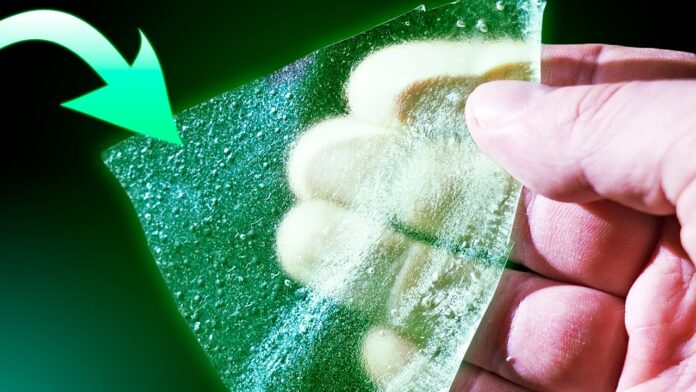
A research initiative developed in the Maule region introduces a solution that addresses this issue without relying on heavier packaging or aggressive chemical treatments. Scientists from Universidad Católica del Maule have developed a transparent edible and biodegradable coating that applies directly to fruit surfaces. The coating works as a natural protective barrier while remaining invisible to consumers.
This innovation changes how preservation is approached. Instead of adding another external layer of plastic or synthetic wrap the technology becomes part of the fruit itself. That shift carries major implications for sustainability export efficiency and food safety.
The Core Challenge Facing the Fruit Export Industry
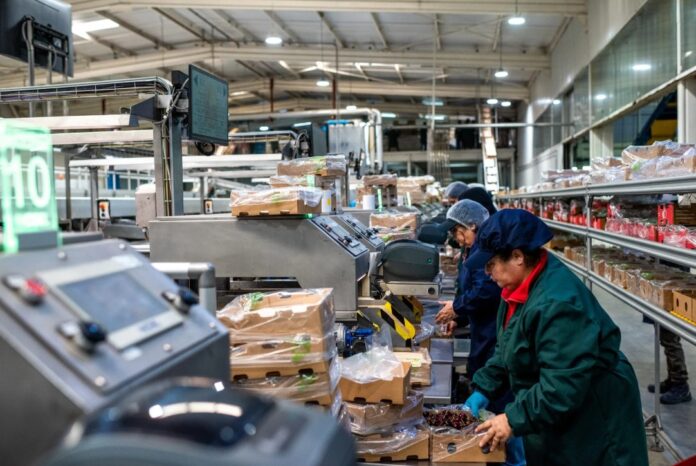
Fruit exports operate under tight margins. Produce must arrive fresh appealing and safe after weeks in transit. Depending on destination shipments may last between thirty and sixty days. During this time fruits are exposed to microorganisms that cause decay mold growth and texture degradation.
According to Gabriel Massuh, a well-known fruit industry entrepreneur and advocate for sustainable technologies through his company Bagno, “fruit exports face a persistent obstacle: microbiological deterioration that occurs between harvest and arrival at international markets.”
Chemical preservatives can extend shelf life but come with tradeoffs. Residues raise concerns among consumers. Regulatory standards differ across markets. Environmental impact continues to draw scrutiny. Each additional treatment increases cost and complexity.
The Chilean research team aimed to solve this issue at its source by protecting the fruit surface itself using a natural material derived from waste streams already present in the agricultural system.
Kefiran as the Foundation of a New Bioplastic
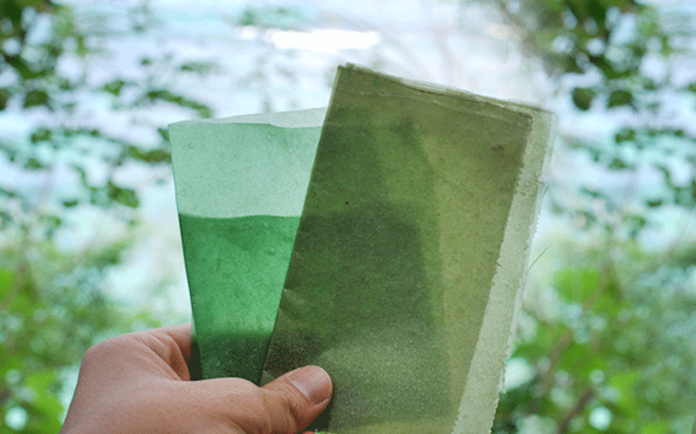
At the heart of the project lies kefiran. Kefiran is a natural biopolymer produced by microorganisms found in kefir cultures. Scientific research has long documented its antimicrobial properties along with additional biological activity.
The project led by academic Cristian Valdés focuses on extracting kefiran through a controlled biotechnological process. Rather than sourcing new raw materials the team uses agricultural and dairy waste such as discarded fruit and whey.
This approach transforms materials often considered environmental burdens into high value inputs. Waste streams become part of a productive cycle instead of disposal challenges.
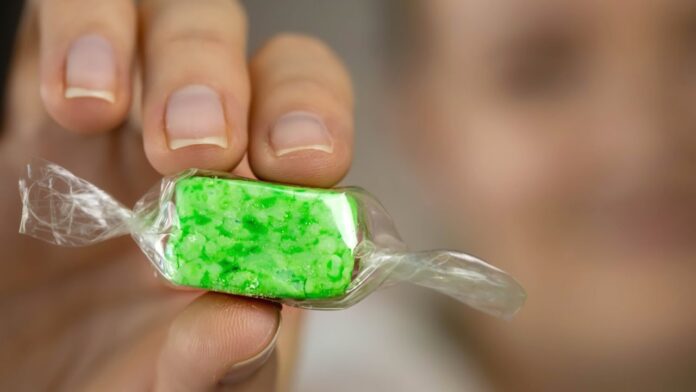
The result is a thin flexible film that adheres directly to fruit skins. Taste texture and appearance remain unchanged. The coating stays transparent and fully edible. Once discarded it biodegrades naturally.
Turning Waste Into Economic and Environmental Value
One of the strongest advantages of this technology lies in its alignment with circular economy principles. Agricultural regions generate large volumes of organic by products. Disposal costs money and contributes to pollution when not handled properly.
By converting fruit waste and dairy by products into a functional biopolymer the project adds economic value at multiple stages. Farmers processors and exporters all benefit from reduced losses and new applications for existing resources.
The Maule region already stands as one of Chile most productive agricultural zones. Supporting innovation at the regional level strengthens local economies while contributing solutions that scale globally.
Funding from the Maule Region Innovation for Competitiveness Fund supports this development with the clear objective of transferring the technology into commercial use.
Functional Benefits Beyond Preservation
Kefiran does more than protect fruit from microbial damage. Scientific literature cited by Dr Valdés describes additional bioactive properties including anti inflammatory antimicrobial and anticancer effects.
These properties introduce a new possibility. Fruits coated with kefiran may belong to an emerging category of functional foods. The coating itself becomes part of the nutritional profile rather than a neutral barrier.
This aspect adds market value. Consumers increasingly seek foods that support health without artificial additives. An edible coating with documented biological benefits aligns with that demand.
Regulatory evaluation remains part of the next development stages. Still the existing body of research positions kefiran as a compound with strong safety and health credentials.
Technical Characteristics of the Edible Coating
The coating developed by the research team exhibits several critical features that make it suitable for export use.
Before listing them it helps to understand that performance depends on compatibility with existing packing processes. Exporters require solutions that integrate smoothly without disrupting logistics.
The coating demonstrates the following characteristics:
- The film adheres uniformly to fruit surfaces without visible residue or texture changes
- The material remains flexible during temperature shifts common in cold storage and shipping
- Antimicrobial action limits fungal and bacterial growth during long transport periods
- Biodegradable composition reduces environmental impact after use
- Edible nature eliminates consumer concerns around chemical residues
These properties allow exporters to maintain fruit quality while reducing dependence on synthetic preservatives.
Current Development Stage and Next Steps
The project has progressed beyond laboratory theory. Cultivation and characterization trials of the biopolymer are already underway. Researchers analyze film structure adhesion behavior and antimicrobial performance under controlled conditions.
Upcoming phases include pilot tests on actual fruit shipments. Sensory evaluations will assess consumer perception regarding taste texture and appearance. Final formulation adjustments will optimize stability and application methods.
The ultimate goal remains clear. Transfer the technology to the fruit export industry and enable large scale adoption. Commercial scalability remains a priority from the outset.
Chile fruit sector competes in demanding international markets. Any innovation that extends shelf life while reducing chemical inputs strengthens that competitive position.
Positioning Chile as a Leader in Sustainable Food Innovation
This project illustrates how regional innovation can generate global impact. By addressing a universal challenge in food logistics the technology extends far beyond Chile borders.
Countries exporting fruit face similar constraints. Long transit times climate variability and rising sustainability standards affect producers worldwide. An edible biodegradable coating that uses waste as raw material offers a solution applicable across regions.
Chile already holds a strong reputation for agricultural exports. Advancing sustainable preservation technologies reinforces that reputation and positions the country as a leader in food innovation.
The involvement of Maule region demonstrates the strength of decentralized research models. Innovation does not require major metropolitan centers when academic expertise and regional funding align.
Supporting a Circular Economy Model
The broader significance of this innovation lies in its systemic impact. Agro industrial waste becomes part of a productive cycle. Packaging needs decrease. Chemical usage declines. Food loss drops.
Each element supports sustainability goals while delivering measurable economic benefit. Exporters gain longer shelf life. Consumers receive cleaner products. Regions reduce environmental pressure.
Such outcomes reflect the core principles of circular economy models increasingly promoted within global food systems.
A Practical Solution With Global Relevance
The edible bioplastic coating developed in Chile responds directly to real industry needs. It does not require changes in consumer behavior. It integrates into existing export workflows. It builds upon natural materials already present in agricultural ecosystems.
Most importantly it addresses preservation challenges without adding new environmental burdens. That balance defines the future of food logistics.
As pilot testing advances and commercial pathways open this innovation stands as a practical example of how science sustainability and industry needs align. Chile fruit sector gains a powerful tool while offering a solution relevant far beyond its borders.
Innovation grounded in regional resources continues to show how local knowledge can generate solutions with worldwide relevance.